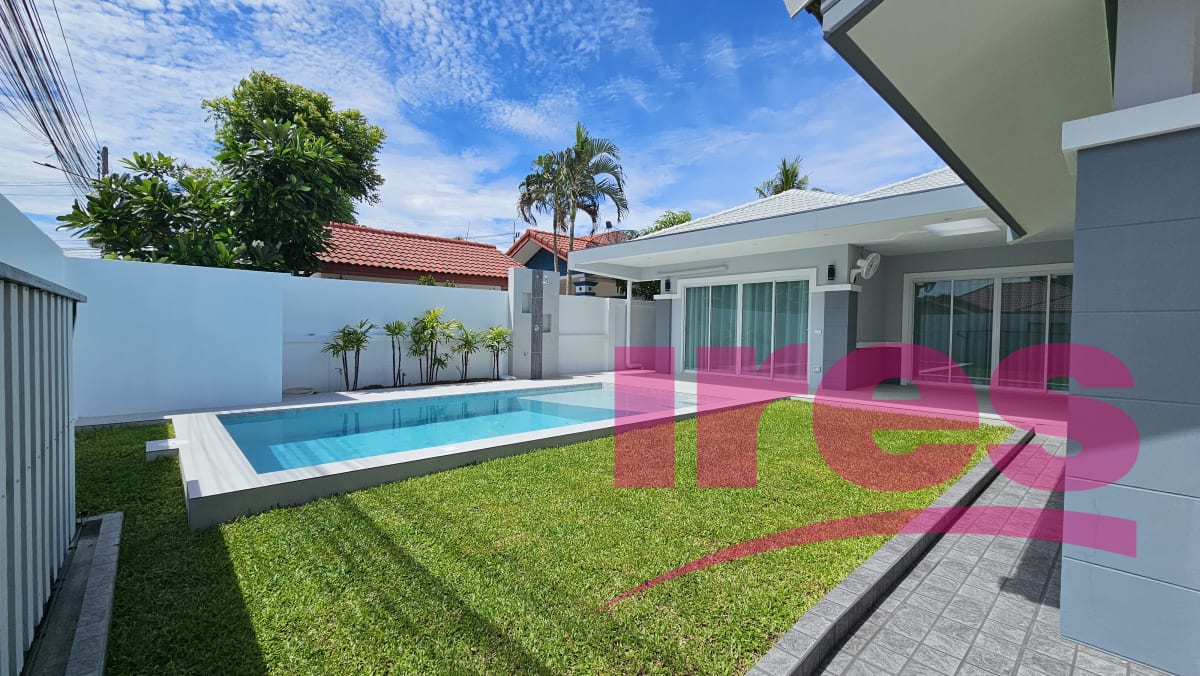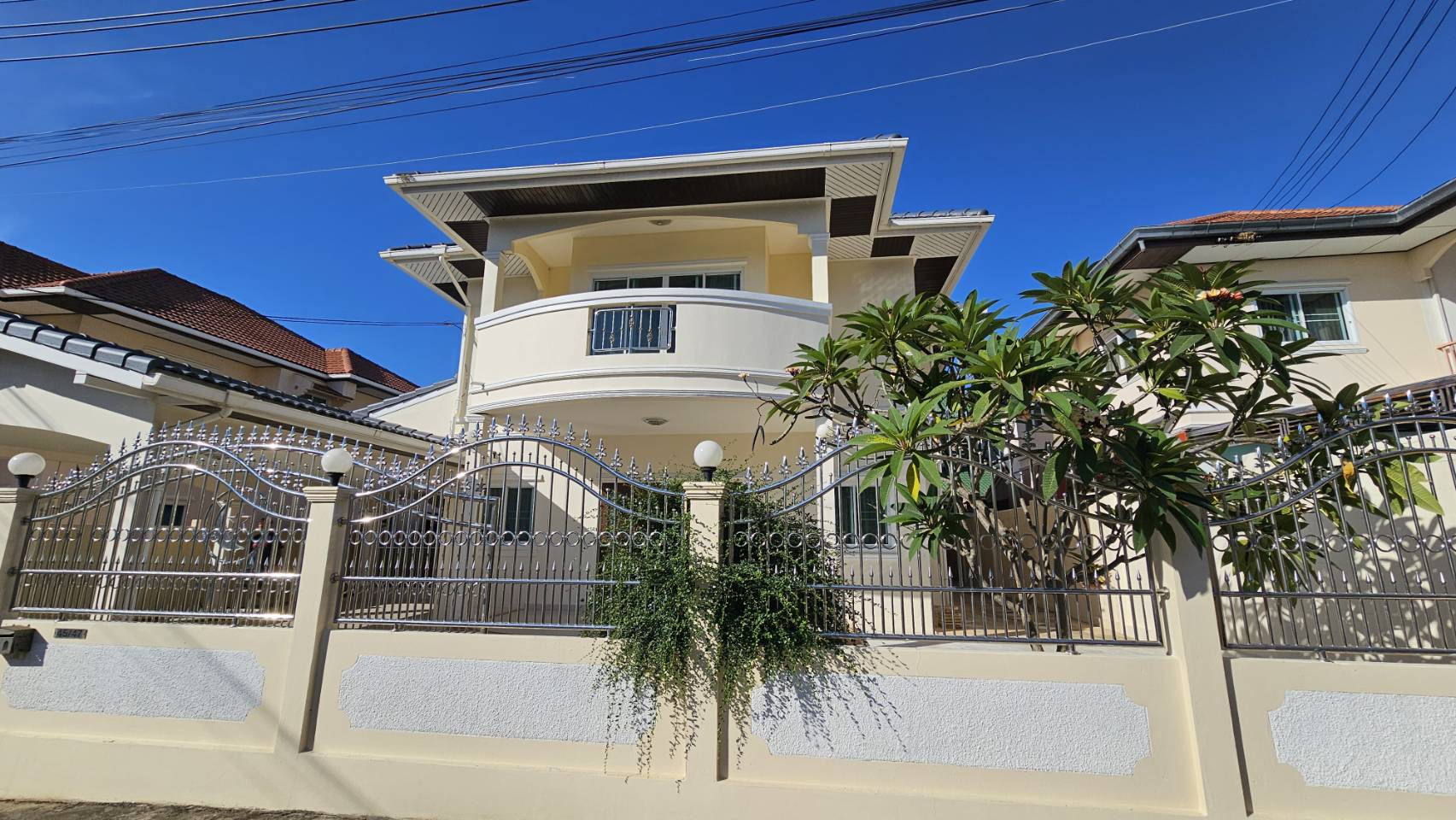
Buying is a decision. Selling is a process. The difference matters because Thailand's exit machinery rewards owners who plan the cash-out before the listing photos are taken, and punishes those who treat it as paperwork at the end.
Marketing and pricing
A Pattaya resale starts with photography and platform distribution. The standard listing channels are FazWaz, Hipflat, DDproperty, and IRES, with branded developments and beachfront positions clearing faster than inland villas. Brokerage commission in Pattaya runs higher than the national norm: 3% is the floor in Bangkok and most of Thailand, while 5% is common in Pattaya for resale condominiums, reflecting higher marketing and operational costs in the resort market. The seller pays. Luxury and off-market mandates sometimes negotiate up; small studios sometimes negotiate down. The commission is taxable income to the agent and should be invoiced cleanly.
Buyer profile shifts the mechanics
Who buys your unit changes the legal plumbing. Selling to a Thai national resets the foreign quota for that unit, freeing capacity in the building's 49% allocation for the next foreign owner. Selling to another foreigner consumes one foreign-quota slot and requires the new buyer to remit fresh foreign currency from abroad. Your FET form is not transferable. The buyer must obtain their own Foreign Exchange Transaction form, issued by their Thai bank against a fresh inward remittance of at least USD 50,000, before the Land Office will register the transfer to a foreign name. Plan accordingly: a foreign buyer needs lead time to wire funds and obtain documentation; a Thai buyer can move faster.
Capital gains and withholding at the Land Office
Thailand has no separate capital-gains tax for individuals on real property. Gain is captured through a withholding mechanism applied at the Land Office on transfer day. For an individual foreign seller, withholding is computed on the appraised value using a progressive personal-income-tax formula with deductions that scale by years held: longer holds reduce the effective rate. The effective bite typically lands between 1% and 5% of appraised value. For a foreign corporate seller, withholding is a flat 1% on the higher of sale price or appraised value. Either figure is a prepayment, not a final settlement: an individual seller can recover overpayment by filing a Thai personal-income-tax return for the year of sale and reconciling against the progressive schedule.
Specific Business Tax or stamp duty
The transaction triggers either Specific Business Tax or stamp duty, never both. SBT is 3% plus a 10% municipal surcharge, totalling 3.3% on the higher of sale price or appraised value, and applies when the seller held the property under five years or sells through a Thai juristic person. Stamp duty of 0.5% applies otherwise. The five-year clock and the corporate-seller flag are the two switches that determine which one you pay.
Transfer fee
The Land Office transfer fee is 2% of the higher of sale price or appraised value. The Cabinet stimulus that runs from 22 April 2025 to 30 June 2026 reduces the transfer fee to 0.01%, but the relief applies only when the buyer is a Thai-national individual purchasing residential property at a price not exceeding THB 7M. Foreign-to-foreign sales and sales to Thai juristic persons pay the full 2%. By custom the transfer fee is split 50:50 in Pattaya, though the contract decides.
Off-plan assignment
If you bought off-plan and want to exit before hand-over, your sale and purchase agreement is what controls. Most developer contracts include an assignment clause permitting transfer of the contractual position to a new buyer before completion, typically against an assignment fee of 1% to 3% of the contract value or a fixed THB 50,000 to 150,000. Some prohibit assignment outright; some require developer approval; the standardised government O.C. 22 form is more permissive but is not universally used. Tax handling is different too: gain is computed on the spread between your original contract price and the assignment price, not on the eventual completed-unit valuation.
Repatriation of proceeds
The Bank of Thailand permits outward transfer of sale proceeds to your home country. The bank executing the transfer requires three documents: the original FET form proving the inward remittance, the Land Office sale agreement and tax receipts, and evidence the withholding tax was paid. Repatriating up to the original FET amount is procedurally clean. Repatriating above the original FET, that is, the profit component, requires additional documentation and explanation but is not blocked. Keep the original FET certificate from your purchase: without it, the proceeds are difficult to move out.
FX is the silent variable
Your effective return is denominated in your home currency, not THB. With USD/THB at roughly 32.4 in May 2026, a 10% adverse FX move over a five-year hold falls well within historical norms and can erase a nominal THB gain. Some foreign buyers hedge this through USD- or SGD-denominated mortgages that pay down a foreign-currency liability with foreign-currency income. See the mortgages-for-foreign-buyers Guide for the structure.
Estate and succession
If you have Thai succession beneficiaries on the title or in a will, the sale closes that line of inheritance for that asset. Notify heirs and update the Thai will. Foreign sellers with non-Thai heirs do not face equivalent notification requirements, but the proceeds, once repatriated, fall under the home jurisdiction's estate framework.